
sandblasted glass design
Understanding Level Frames Pricing A Comprehensive Overview In today’s diverse and competitive market, the concept of pricing has evolved significantly, impacting how businesses operate and consumers make purchasing decisions. One of the innovative approaches to pricing that has gained traction is Level Frames Pricing. This article delves into the intricacies of Level Frames Pricing, how it functions, and its implications for both businesses and consumers. What is Level Frames Pricing? Level Frames Pricing is a strategic approach that categorizes products or services into distinct levels or tiers, each with a set price point. This model allows businesses to offer a varied selection of options that cater to different customer preferences and budgets. Essentially, it segments products into different ‘frames’ of value that attract disparate consumer segments, thereby optimizing sales potential. The Structure of Level Frames Pricing At its core, Level Frames Pricing is built on the principle of tiered offerings. The tiers can range from basic, entry-level products to premium options with additional features or enhanced quality. Typically, there are three to five levels, which might include 1. Basic Level This entry point offers essential features at the lowest price, appealing to budget-conscious consumers. 2. Mid-Level A more balanced option, incorporating added features that justify a moderate price increase. 3. Premium Level Targeting consumers willing to pay for higher quality or exclusive features, this tier presents the best of what the brand has to offer. This tiered structure not only simplifies consumer decision-making but also helps businesses maximize their market reach and profitability. Benefits of Level Frames Pricing level frames pricing 1. Increased Customer Satisfaction By providing multiple options, consumers can choose a product that aligns with their specific needs and budget, resulting in higher satisfaction levels. This personalization plays a crucial role in fostering brand loyalty. 2. Enhanced Sales Opportunities Businesses can capitalize on the diverse consumer base by appealing to different segments. For instance, a customer who initially considers the basic option may eventually opt for a mid-level upgrade after assessing value-added features and benefits. 3. Easy Product Positioning Level Frames Pricing allows companies to clearly position their products in the market. By differentiating offerings, businesses can cater their marketing strategies effectively, ensuring that each tier resonates with the intended audience. 4. Mitigation of Price Sensitivity In markets where consumers are highly price-sensitive, offering a range of price points can help reduce the risk of losing customers to competitors. The presence of higher-priced options can make mid-level products appear more attractive, thus guiding purchasing behavior. Challenges and Considerations While Level Frames Pricing presents numerous advantages, it is not without challenges. Businesses must be diligent in their market research to ensure that each tier meets consumer expectations. Misaligning offerings could lead to stock imbalances or dissatisfaction among consumers. Additionally, careful consideration must be given to pricing strategies to avoid potential pitfalls such as ‘feature overload,’ where the complexity of options may confuse consumers rather than aid their decision-making process. Clear communication of features at each level is crucial, as is ensuring that quality escalates appropriately with price. Conclusion In conclusion, Level Frames Pricing has become a vital tool for businesses seeking to optimize their product offerings and cater to diverse consumer needs. By implementing a structured tiered approach, companies can enhance customer satisfaction, capitalize on market opportunities, and maintain a reputation for quality and value. However, as with any pricing strategy, it is essential to navigate the challenges with precision, ensuring that each level of offering resonates with consumers and promotes a seamless purchasing experience. As markets continue to evolve, embracing innovative pricing strategies like Level Frames Pricing will be essential for businesses aiming to stay ahead of the competition while fulfilling consumer demands.
about
sandblasted glass design
Pad irons are essential components used to support and distribute the weight of heavy machinery in various industries. These pads are placed under machine tools to ensure proper load distribution and stability. When calculating the bearing capacity of a pad iron , the total weight of the machine tool is divided by the number of fastening holes in the pad. This approach helps determine how much weight each pad can support and ensures the machine remains stable during operation. For optimal performance, the position of the machine tool’s center of gravity should also be considered, as this influences weight distribution across the pad irons . This ensures the machinery remains level and securely fastened during heavy-duty operations. Key Considerations: Divide the total machine tool weight by the number of fastening holes for accurate load distribution. Adjust for the center of gravity to balance the machine tool effectively. Effective Use of Anti-Vibration Rubber Pads for Heavy Machinery Anti-vibration rubber pads are crucial in minimizing vibrations and protecting heavy machinery from wear and tear. These pads are made from durable rubber materials that absorb and dampen the vibrations generated during the operation of large machine tools, preventing excessive movement and reducing noise. By placing these pads under machinery, industries such as manufacturing, construction, and processing can prolong the lifespan of equipment and enhance operational safety. In addition to reducing vibrations, anti-vibration rubber pads for heavy machinery provide improved load distribution and protect the floor surface from damage caused by the machine’s weight. The rubber material offers a firm grip, preventing the machinery from shifting or moving during intense operations. Benefits of Anti-Vibration Rubber Pads: Absorb and dampen vibrations, reducing wear and tear on machinery. Improve stability and prevent machinery from shifting. Extend the lifespan of equipment by minimizing vibrations. Versatile Applications of Vibration Pads in Industry Vibration pads are designed to reduce the vibrations and noise produced by heavy machinery, ensuring smooth and efficient operations. These pads are commonly used under compressors, pumps, generators, and other industrial equipment that produce high levels of vibration during use. Made from materials like rubber or a combination of rubber and cork, vibration pads are highly effective in isolating vibrations and preventing them from transferring to floors, structures, or other machines. In industries like manufacturing, construction, and energy, vibration pads are essential for protecting sensitive equipment, maintaining workplace safety, and improving machine performance. These pads can also help prevent misalignment caused by continuous vibrations, ensuring that the machinery operates accurately over time. Common Applications: Used under compressors, pumps, and other vibrating machinery. Prevent vibrations from affecting nearby equipment. Ensure machine stability and accurate performance. Heavy-Duty Protection with Heavy-Duty Anti-Vibration Pads For large-scale industrial machines, heavy-duty anti-vibration pads offer the highest level of protection and support. These pads are designed to withstand extreme loads while effectively absorbing vibrations generated by heavy machinery. Heavy-duty anti-vibration pads are commonly used in industries such as mining, construction, and large-scale manufacturing, where machinery operates under intense conditions. These pads are built to last, offering durability and resistance to compression, wear, and environmental factors like oil, water, and heat. By installing heavy-duty anti-vibration pads under machinery, companies can significantly reduce maintenance costs and improve the efficiency of their equipment by minimizing vibration-related damage. Key Features of Heavy-Duty Anti-Vibration Pads: Strong load-bearing capacity for large industrial machines. Resist compression and wear, ensuring long-term use. Absorb and dampen intense vibrations, protecting machinery and floors. Calculating Load Distribution for Pad Irons and Vibration Pads When selecting pad irons or vibration pads for a machine tool, it's essential to accurately calculate the load distribution. This process ensures that the pads can support the weight of the machinery effectively and prevent any uneven wear or instability. The total weight of the machine tool is divided by the number of fastening holes or contact points, which provides the bearing capacity required for each pad. Considerations for selecting the correct pads: Determine the total machine weight : This includes the weight of the machine tool and any additional components attached to it. Assess the center of gravity : Ensure that the weight is evenly distributed, especially for machines with an uneven center of gravity. Choose the appropriate pad type : Select pad irons , anti-vibration rubber pads , or heavy-duty anti-vibration pads based on the machine’s load and vibration requirements. By calculating load distribution and choosing the correct pads, companies can ensure that their machinery remains stable, operates smoothly, and is protected from the negative effects of vibration. Steps for Calculating and Selecting Pads: Calculate the machine tool's total weight and divide it by the number of fastening holes. Consider the machine’s center of gravity for balanced load distribution. Select the appropriate type of vibration pad based on the machine's size and operating conditions. Pad irons , anti-vibration rubber pads , and heavy-duty anti-vibration pads are vital components in ensuring the stability, accuracy, and longevity of heavy machinery. By correctly calculating load distribution and selecting the appropriate pads, companies can protect their equipment from the damaging effects of vibration, ensure safe operation, and reduce maintenance costs. Whether used for general industrial machinery or high-precision machine tools, these pads provide the support and protection necessary for efficient operation. Explore our range of vibration pads today to ensure your machines are running smoothly and securely.
-

High quality industrial productsagement

High quality industrial products
View Details -

Meet the diverse needs of customers

Meet the diverse needs of customers
View Details -

Strict quality control

Strict quality control
View Details -

Top raw materials

Top raw materials
View Details -

Trusted supplier

Trusted supplier
View Details
Our application


news and information

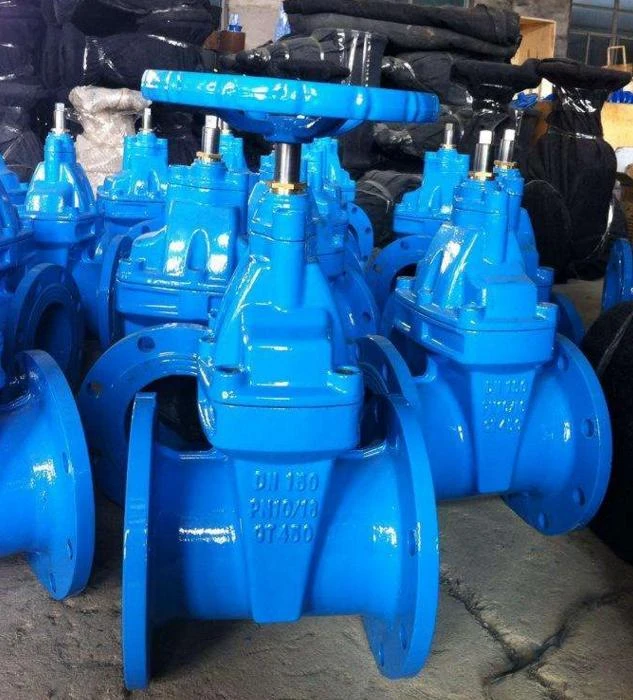
Valves Available for Purchase at Competitive Prices
Valves for Sale A Comprehensive Guide to Understanding and Purchasing In the world of industrial mac
Using Ring Gauge for Precision Measurements in Quality Control Testing
The Importance of Ring Gauges in Quality Control In the world of manufacturing and engineering, prec

welding table china
The Rise of Welding Tables in China A Comprehensive Overview Welding tables play a crucial role in v
 English